
If you aim to keep your car’s paint looking shiny and sleek, or want to restore its original luster to make your vehicle look brand-new, buffing pads are a must-have tool. As time goes by, a car’s paint tends to lose its glow due to exposure to harsh weather, daily wear and tear, as well as accidental scuffs and scratches.
Buffing pads play a key role in polishing and cleaning your car’s exterior, and they can even help fix minor damage caused by scratches. On the market, there is a wide variety of buffing pads available, with prices ranging from low to high to suit different budget needs.
To make it easier for you to find the perfect buffing pads for your needs, we’ve put together this guide. It will help you gain a clear understanding of buffing pads and make an informed buying decision.
What Are Buffing Pads?
Scratch Removal Performance
They excel at eliminating surface blemishes and fine scratches, far more effective than ordinary towels.
Even Product Distribution
With professional structural design, buffing pads spread polish, wax and coating agents uniformly across the panel.
Cost-Effective Use
Compared with towels and other application tools, buffing pads consume less detailing product, helping you cut long-term costs.
How to Choose the Right Buffing Pads
When shopping for buffing pads, keep these key factors in mind to get the best performance and finish:
1. Material
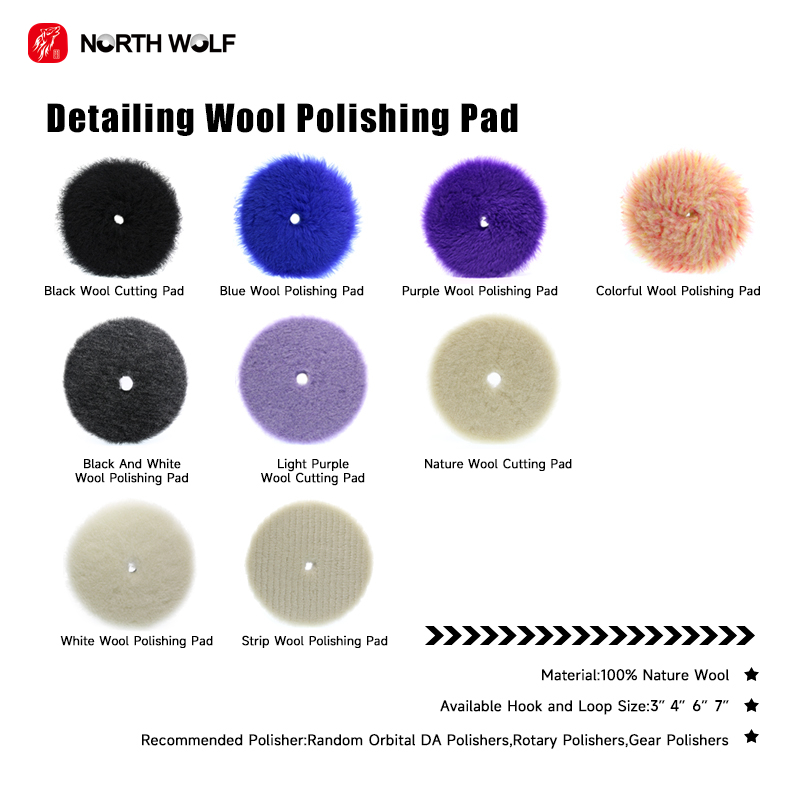
Buffing pads are available in several materials. Choose based on your polishing task and the surface you work on—foam, wool, or microfiber each deliver different results.
2. Flexibility
Consider the curves and edges of the surface. Stiffer pads work well on flat areas, while vehicle panels and complex shapes need a flexible pad to conform closely.
3. Cutting Ability
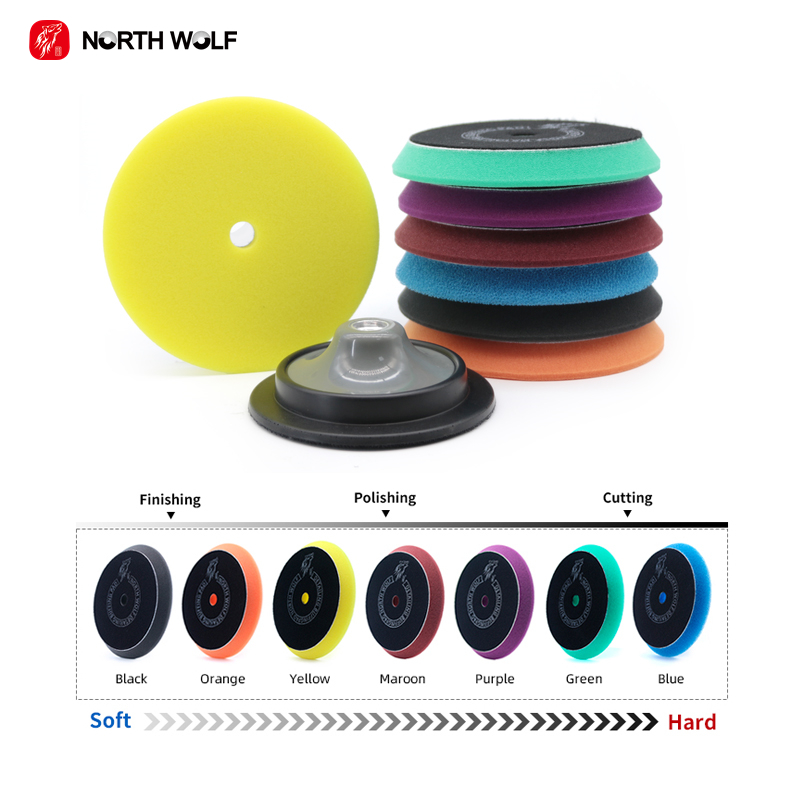
Pad aggressiveness varies.
- High-cut pads: Remove deep scratches and heavy defects quickly.
- Mild-cut pads: Take longer but leave a finer, smoother surface.
- No-cut/soft pads: Best for waxing and sealing without marring the paint.
4. Paint Type Compatibility
Different finishes require specific pads. Manufacturers often recommend certain pads for clear coats, dark paint, or delicate surfaces—follow their guidance to avoid damage.
5. Surface Size & Pad Diameter
Match pad size to the working area. Larger pads cover big sections faster; smaller pads suit tight spots. The pad should slightly match or exceed the backing plate size for secure fitting.
6. Buffing Machine Compatibility
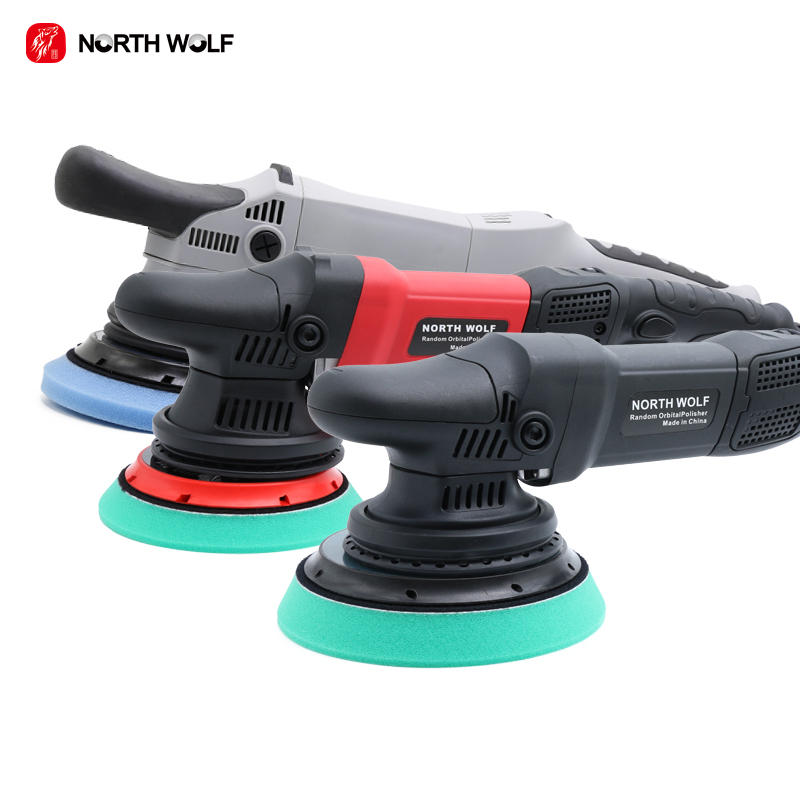
Ensure the pad works with your polisher (DA/RO/GA). Look for standard hook-and-loop backing and confirm it comes with a backing plate for easy attachment.
7. Quality & Warranty
Opt for pads backed by a manufacturer warranty. This ensures consistent quality and protects you in case of defects or early wear.
Post time: Jun-05-2026